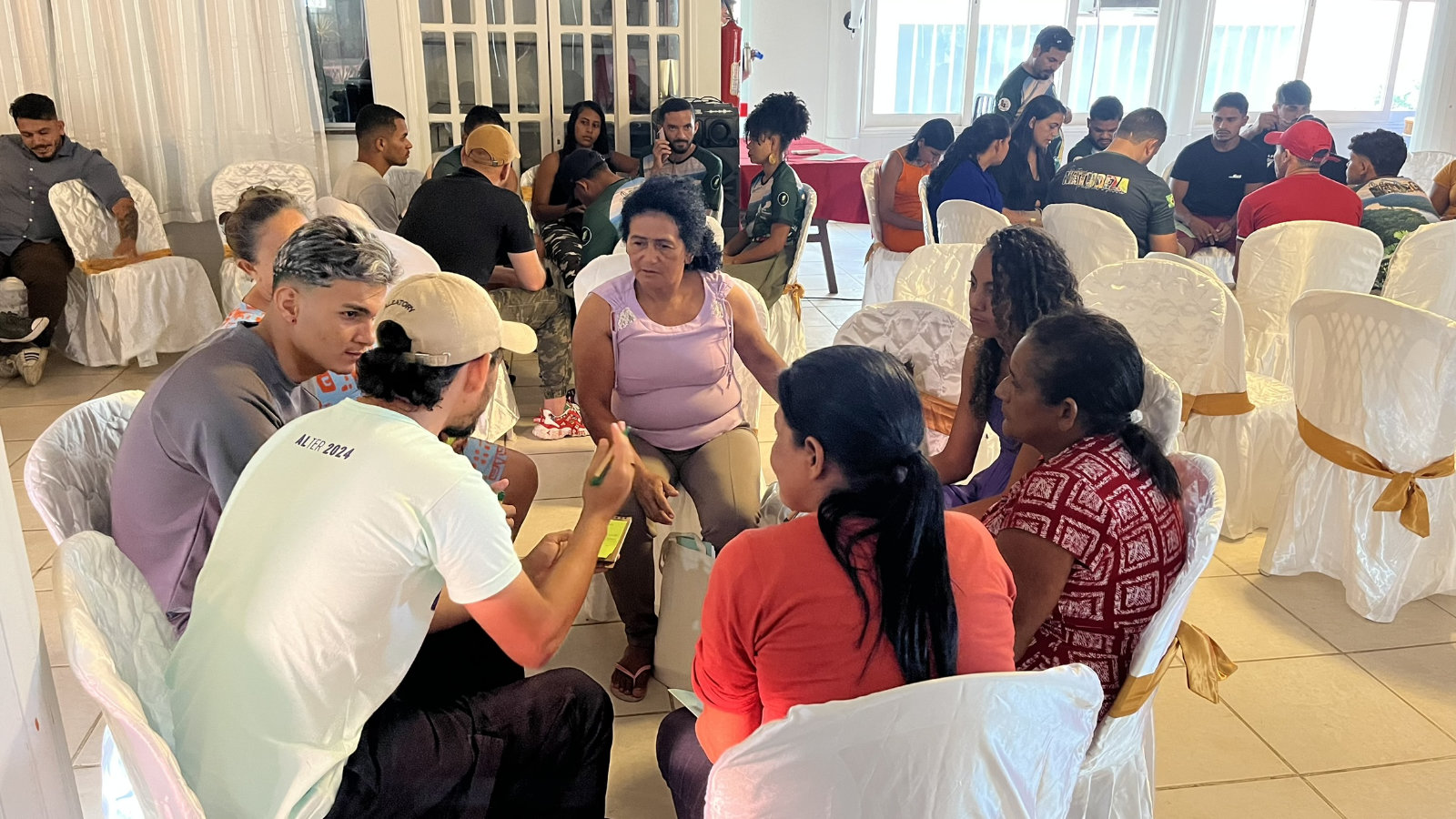
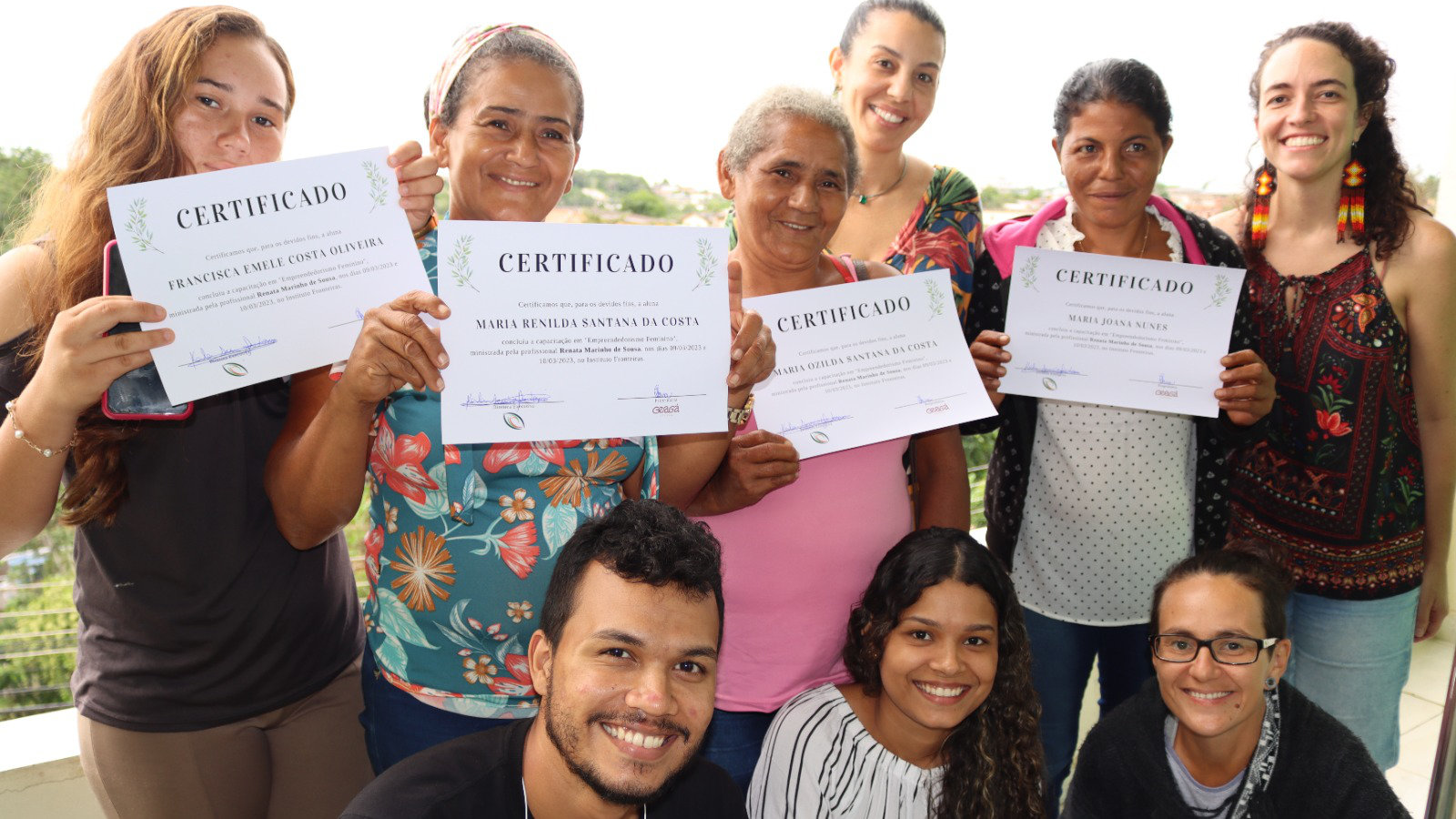
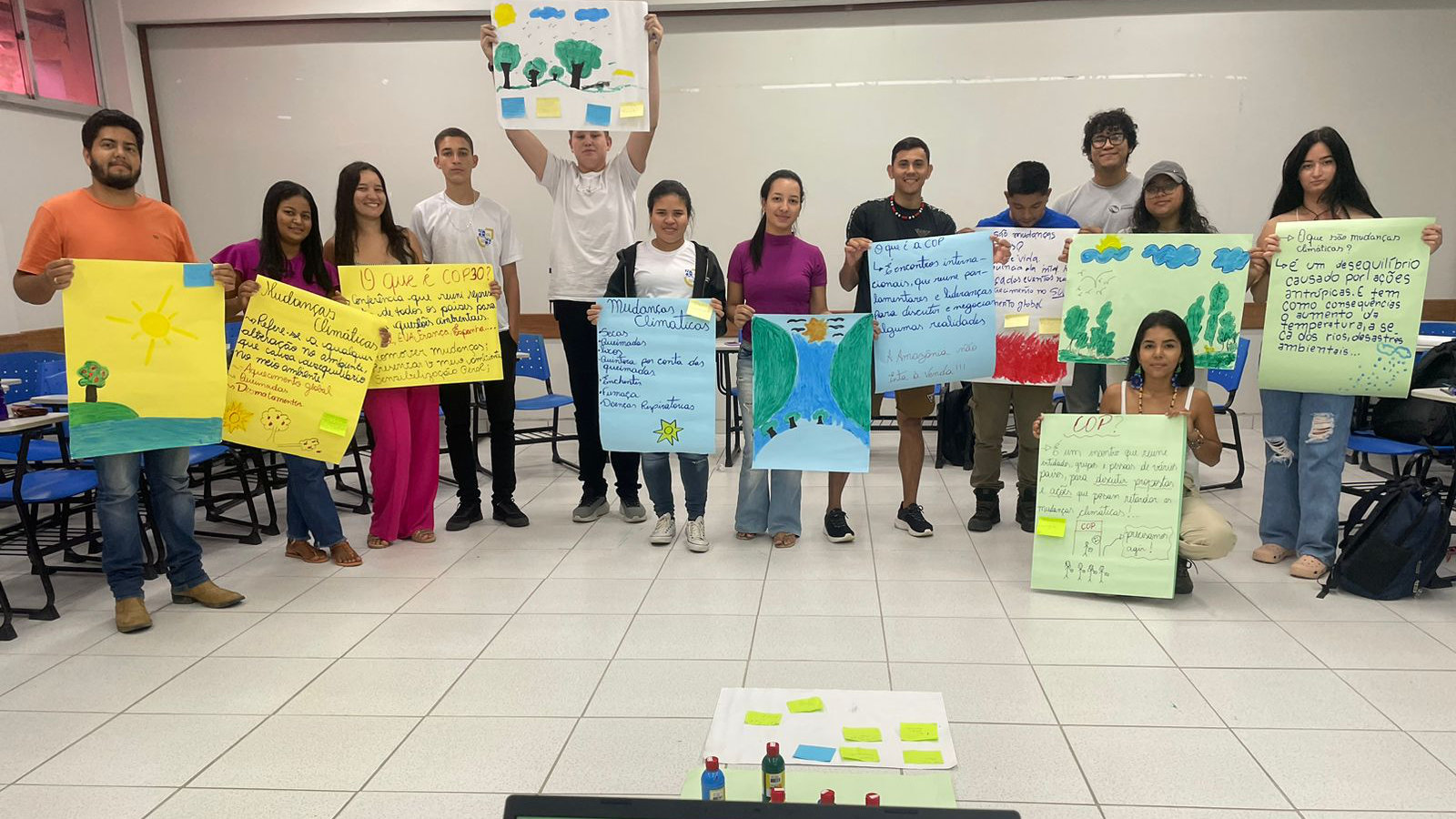
For Fronteiras, processes of transformation unfold through a two-way, dialogical exchange between the cosmology of specific territories and the epistemology of universities. Our learning processes are centered on the autonomy of communities.
It is from this encounter that true transformative learning emerges. When we engage in educational initiatives, we strive to foster a practical form of learning—one that serves to generate solutions for the real-world problems faced by these communities.
Our practical work in the territories is always open to “learning by doing” through dialogue with local communities, as we seek to enhance positive impacts for both people and the forest.
Our research is always rooted in local interests and needs—empirical research designed to solve real-world problems while engaging with traditional research methods.
Search
Research is the primary driver of the innovative processes that Fronteiras applies to the concrete realities of the territories in which it operates. We originated from engagement with universities and have maintained this legacy throughout our journey.
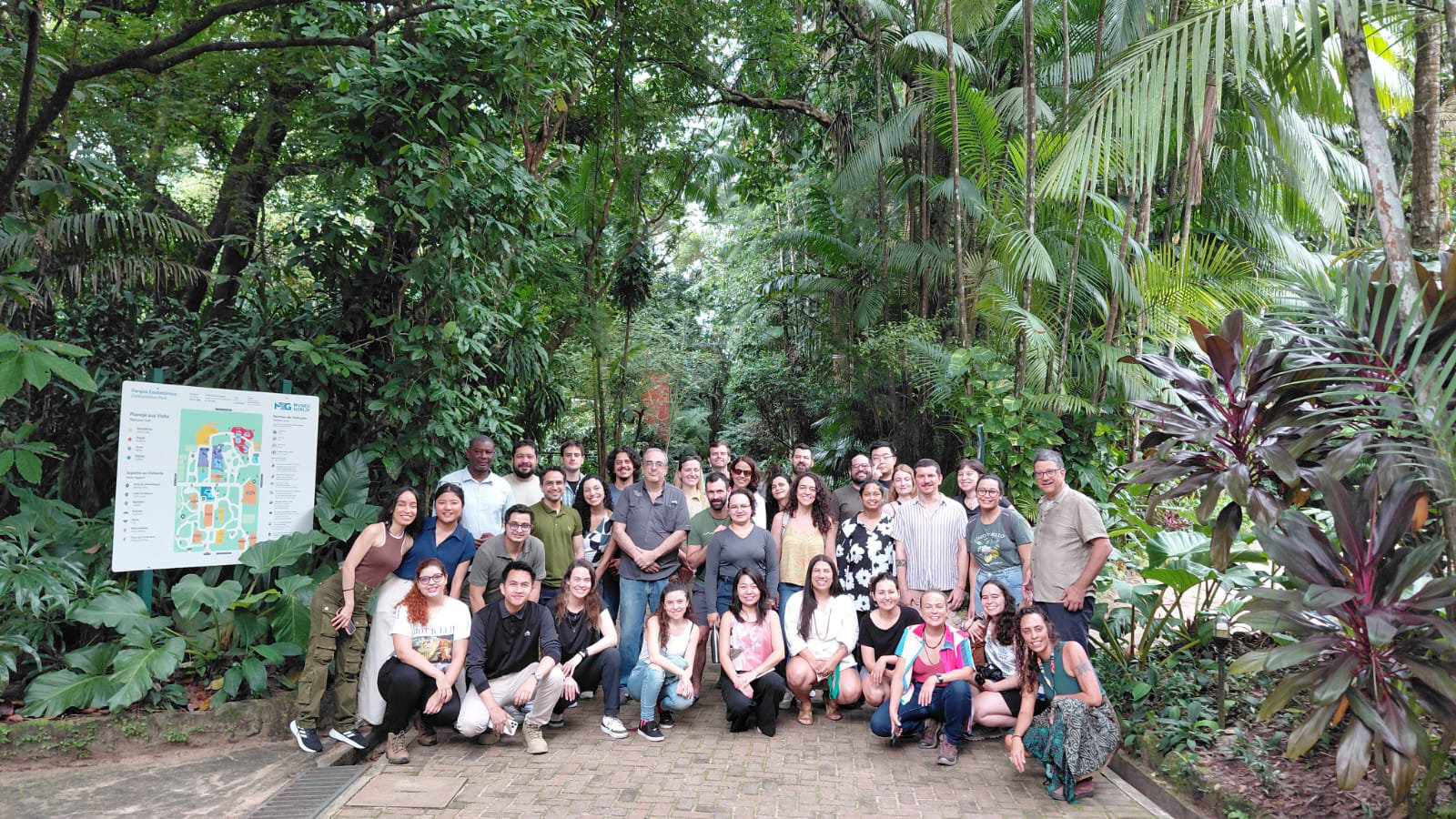
We are strong allies of university research and outreach projects, creating space for both local and international researchers to conduct studies on socio-environmental issues.
For this reason, we partner with various Brazilian research societies (EcoEco, Anppas, etc.) and graduate programs (PPGCA, PROCAM, etc.), and we participate in a wide range of scientific events.
Research conducted by Instituto Fronteiras collaborators can be found in our digital library.
JURUÁ OBSERVATORY FOR CLIMATE EVENTS
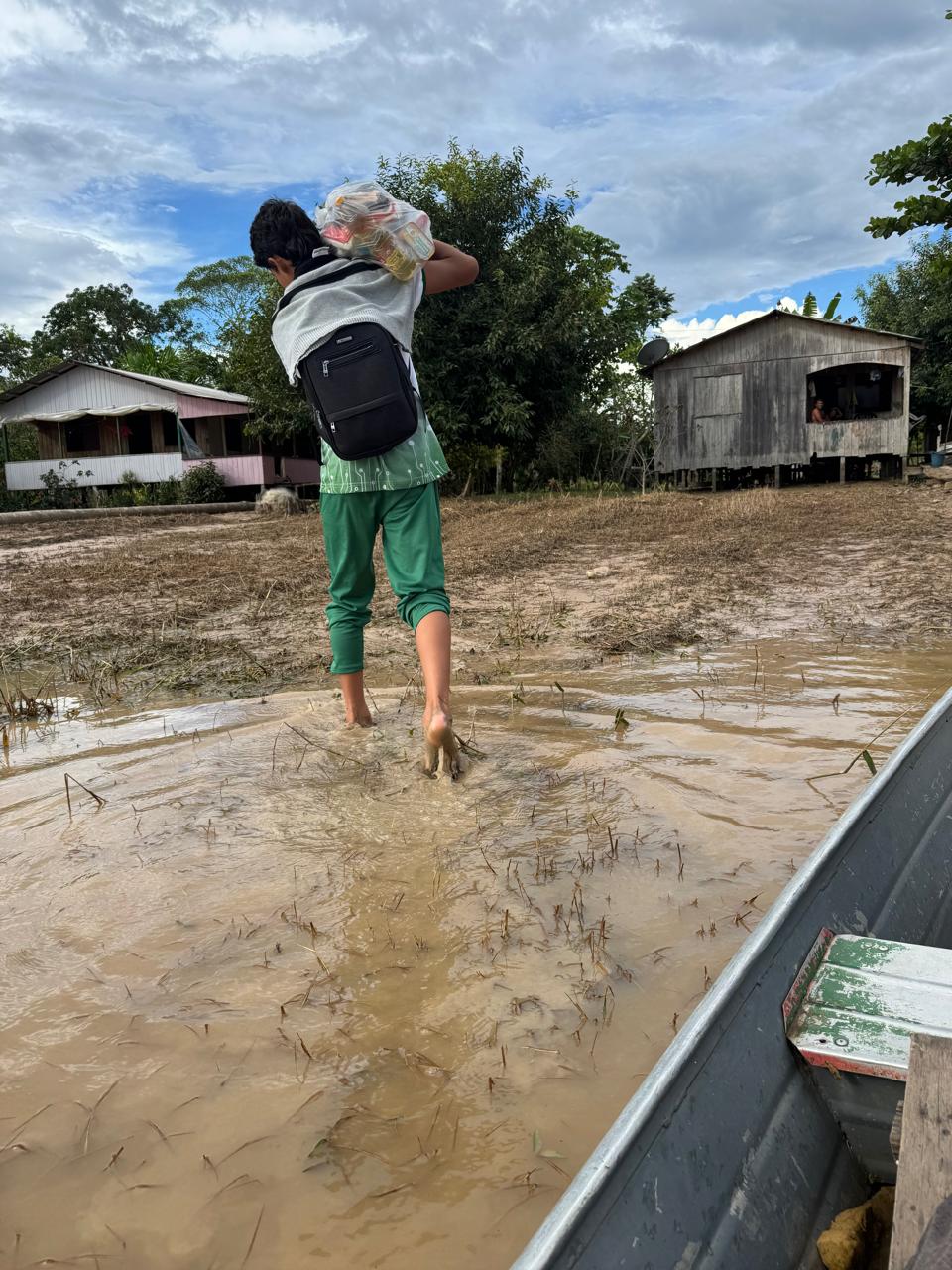
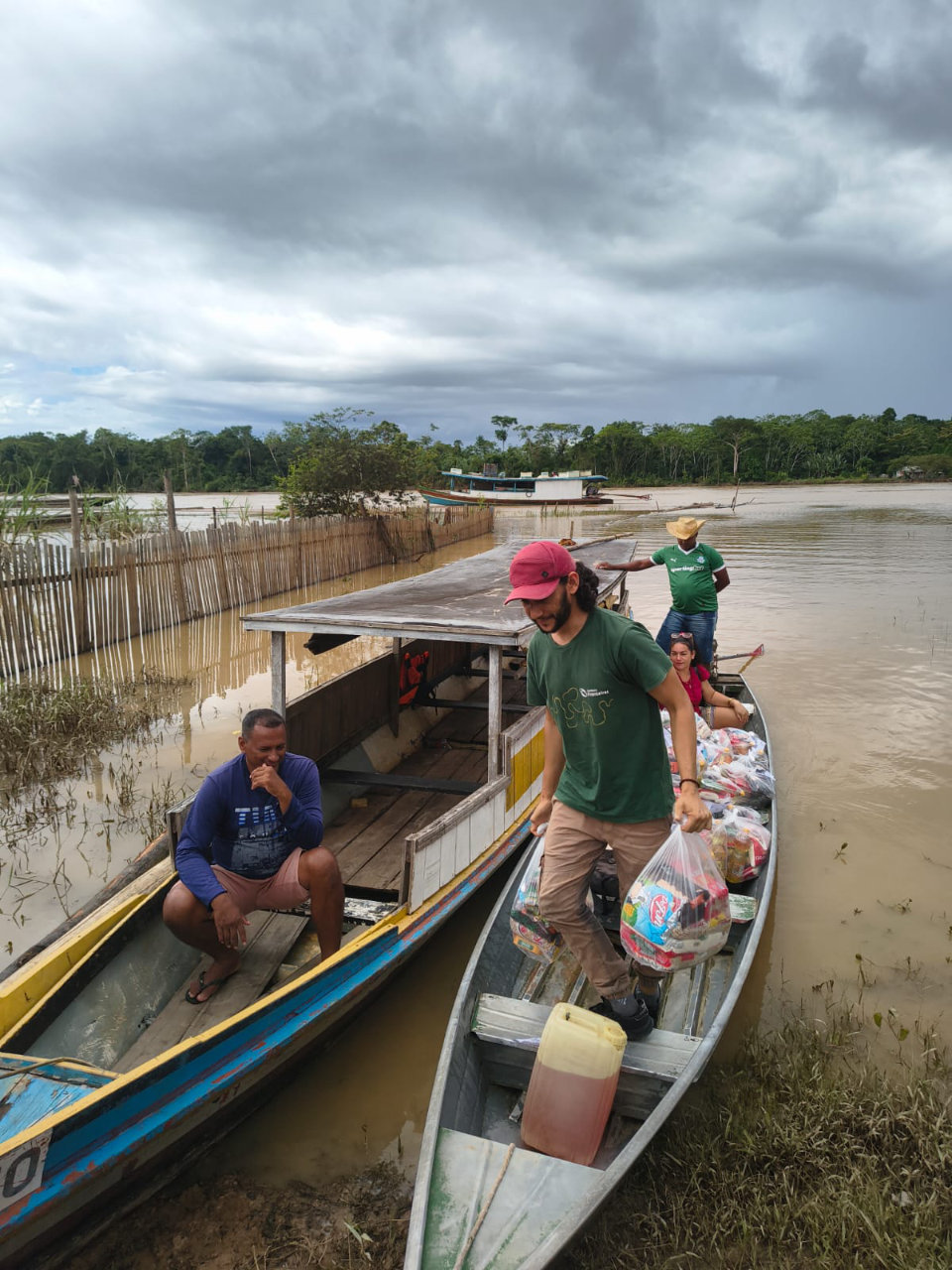
The scenario of extreme weather events directly affects the two pillars of life for communities in the Juruá Valley: food security—through fishing and floodplain agriculture—and water security, in terms of access to potable water.
The climate emergency has reached the Juruá, bringing with it our obligation to support local communities in mitigating the impact of these weather events on the two pillars that sustain the lives of those who dwell in the forests.
The Juruá Observatory emerged in response to these crises; since 2022, it has been engaged in collecting and systematizing data, as well as producing reports concerning drought and flood emergencies in the region.
These reports serve as a foundation for us to seek support from companies and organizations capable of mitigating the losses and damages experienced by the communities served by the Fronteiras Institute. In recent years, we have been able to provide assistance to over 1,000 families through the distribution of basic food baskets and portable water filters.
OBSERVATORIES
The environmental agenda intersects with various other agendas within the sphere of public interest. Local actions are influenced by multi-level decisions that span from the local to the global scale. The Instituto Fronteiras recognizes the importance of transparency and accountability—across both the private and public sectors—as essential requirements for advancing the environmental agenda.
For this reason, our team is dedicated to developing platforms that consolidate key data relevant to the environmental agenda, empowering citizens with the information needed to make better-informed decisions.
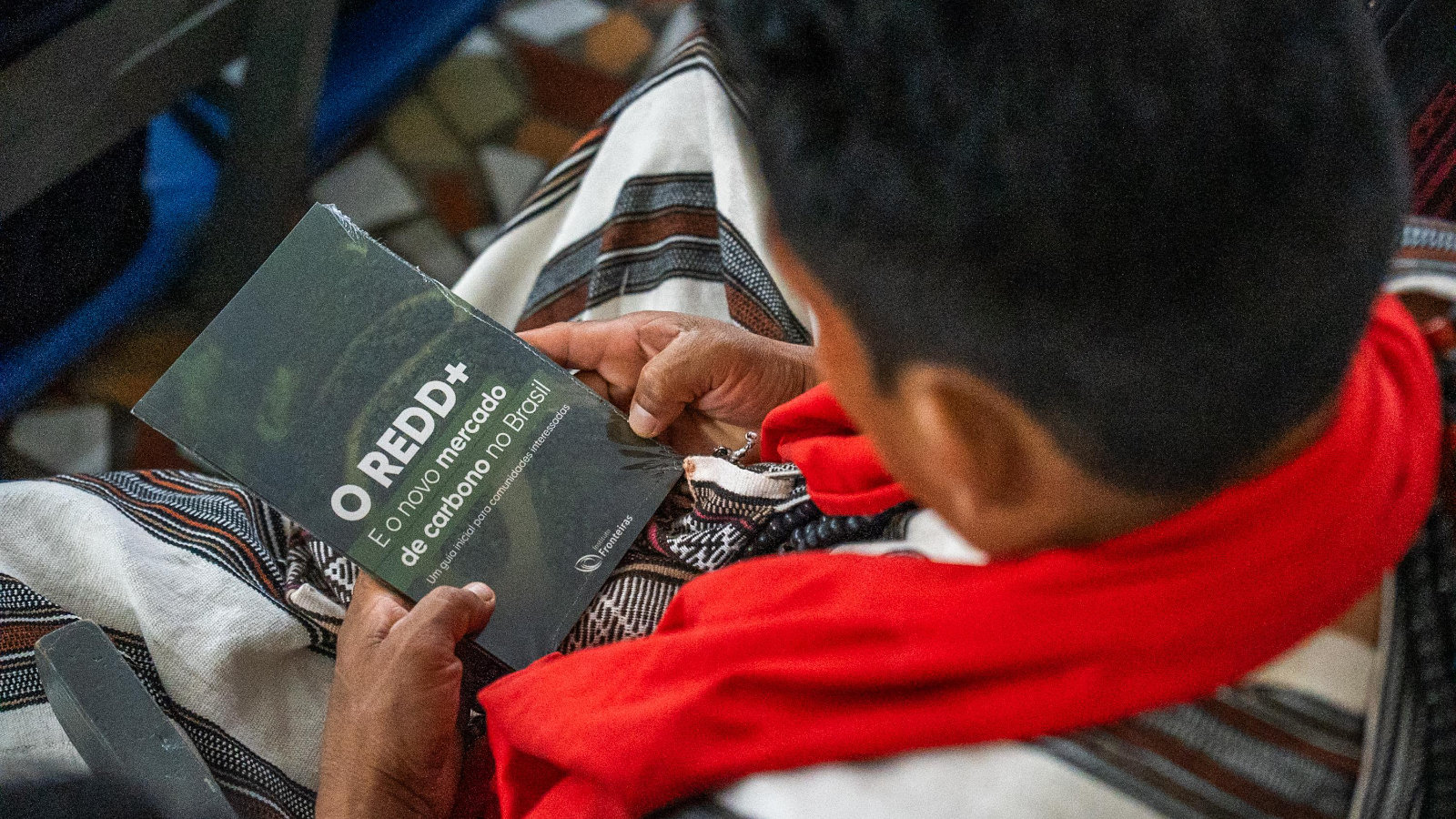
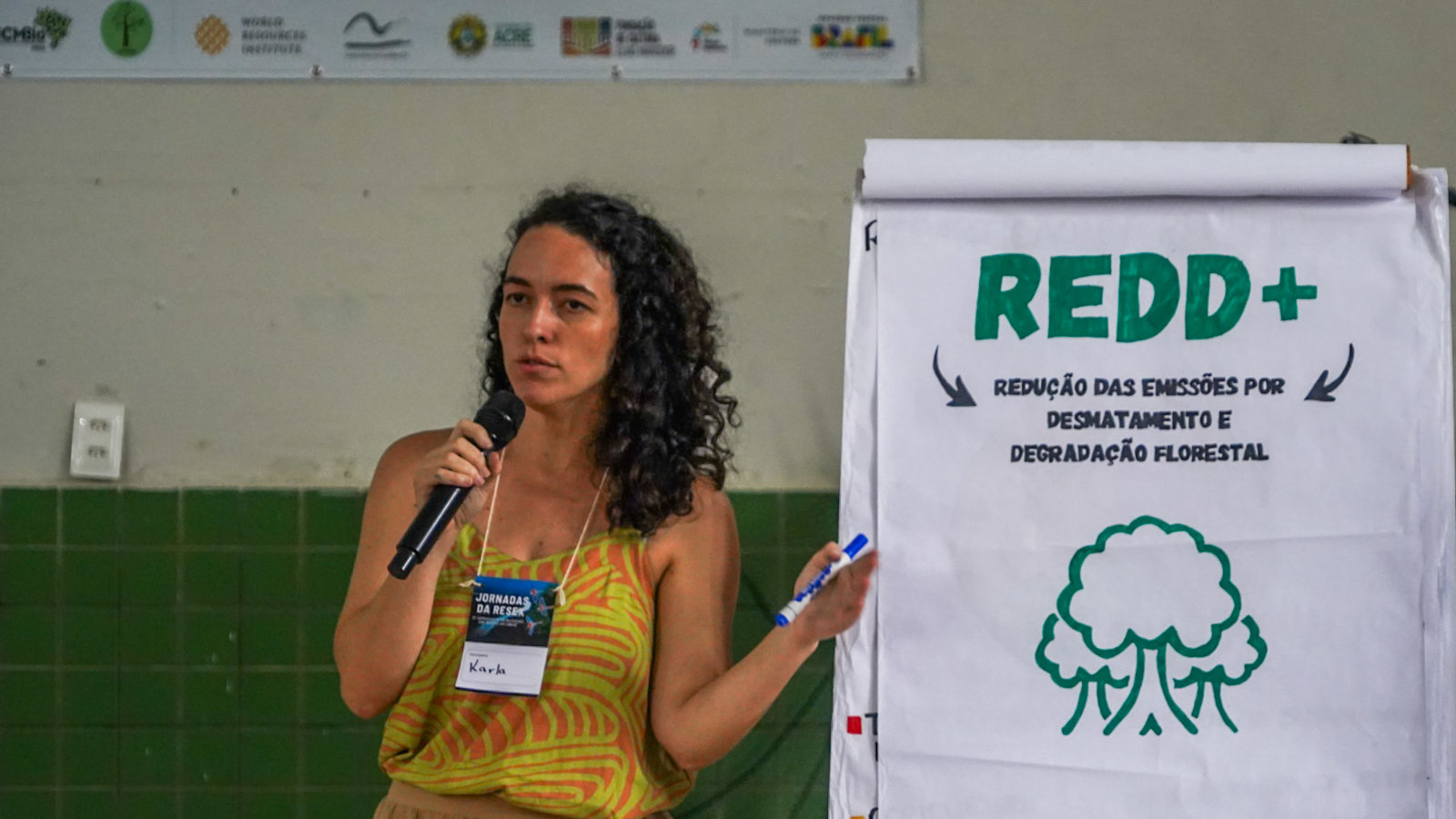
This is the case with the REDD+ Observatory, which consolidates all data on private and jurisdictional REDD+ projects in the state of Acre, providing citizens with information on indicators related to social participation, public consultation, and territorial overlap.
Observa Acre consolidates all data made available by the Superior Electoral Court regarding elections—from municipal to presidential—broken down by territory and polling station, offering citizens insight into the electorate’s stance within the political landscape concerning the environmental agenda.
EDUCATIONAL CAMPAIGN AND WILDLIFE CROSSING
Although the urban areas of the Amazon hold the largest population of the largest tropical forest in the world, they are culturally and socially distant from the forest, resulting from a colonial process of occupation of the Amazon.
However, physical proximity is necessary when wild animals arrive in the urban area through natural ecological corridors formed by fragments of forest or buritis forest, which lead them to the city center.
The meeting between the forest and the city can be disastrous, with an increase in road kills and deaths of wild animals, as well as clashes with domestic animals.
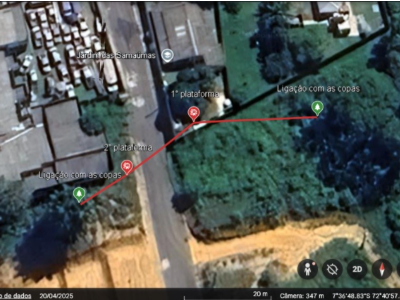
Our work aims to bridge these two worlds by protecting urban wildlife—identifying forest remnants that serve as ecological corridors for small mammals, and creating spaces for coexistence through the preservation of urban green areas and the installation of aerial wildlife crossings.
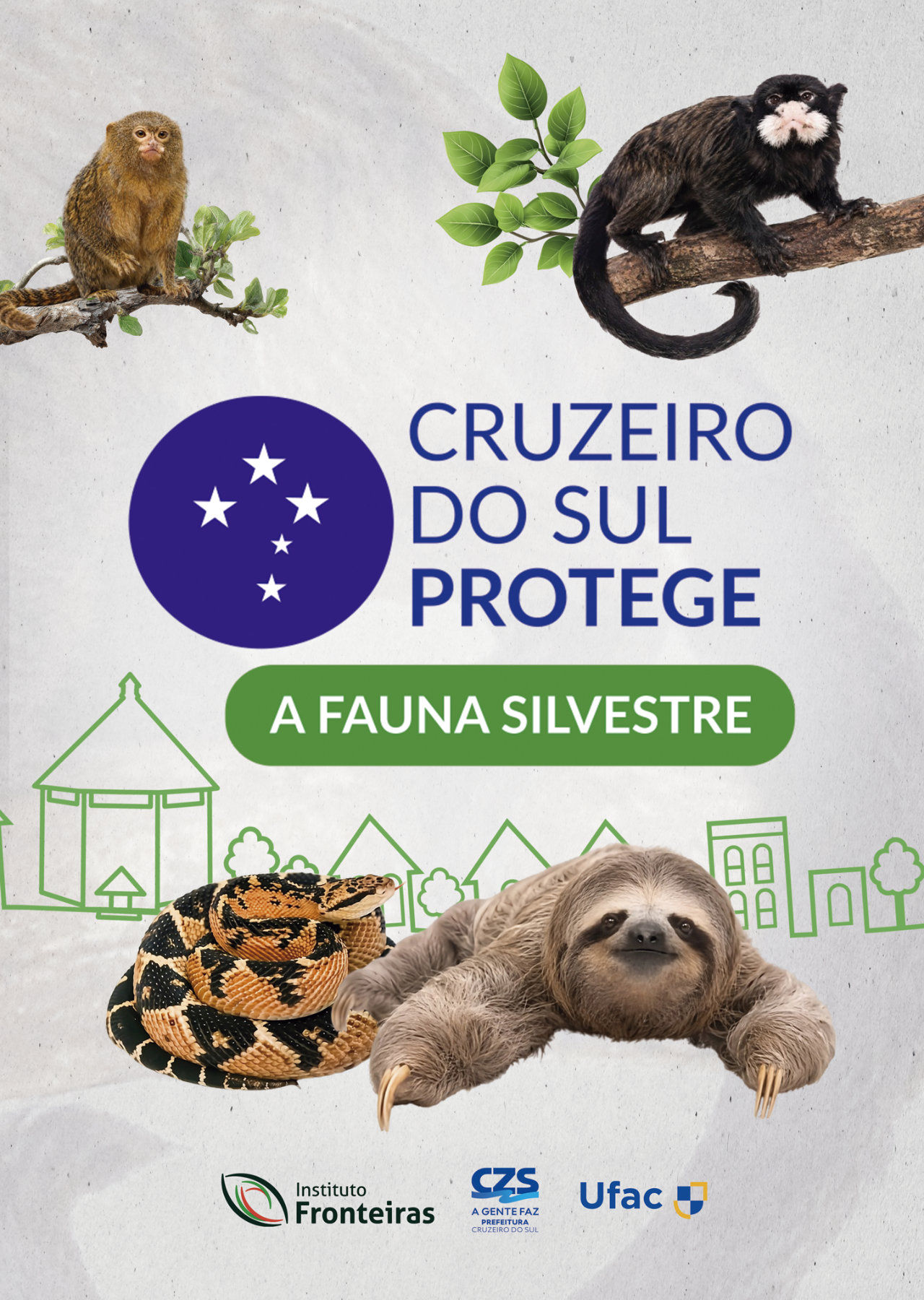
Raising awareness among the urban population—by highlighting “flagship species”—helps foster an emotional connection between city dwellers and the challenges facing the forests that meet the urban landscape.