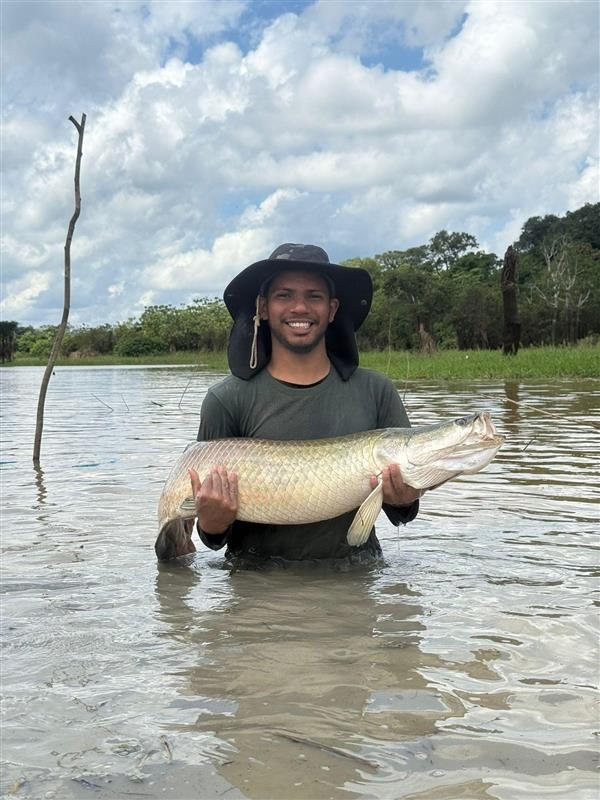
Overfishing and the degradation of aquatic ecosystems threaten the *pirarucu* (arapaima) and compromise the food and economic security of riverine communities.
Isolated management models, lacking consistent institutional support, weaken local governance and limit the scale of conservation efforts.
Furthermore, the absence of a structured fisheries governance system has led to a growing decline in fish stocks across various regions of the Amazon. This fuels conflicts among resource users and directly harms communities that rely on fishing for their livelihoods, cultural identity, and local economy.
In the Upper Juruá territory, this reality is even more pronounced. The fishery resource suffers from a lack of management—characterized by overfishing, closed seasons that do not align with local reproductive cycles, and predatory fishing practices.
These practices result in ecological and social imbalances, directly affecting the food security and living conditions of riverine populations.
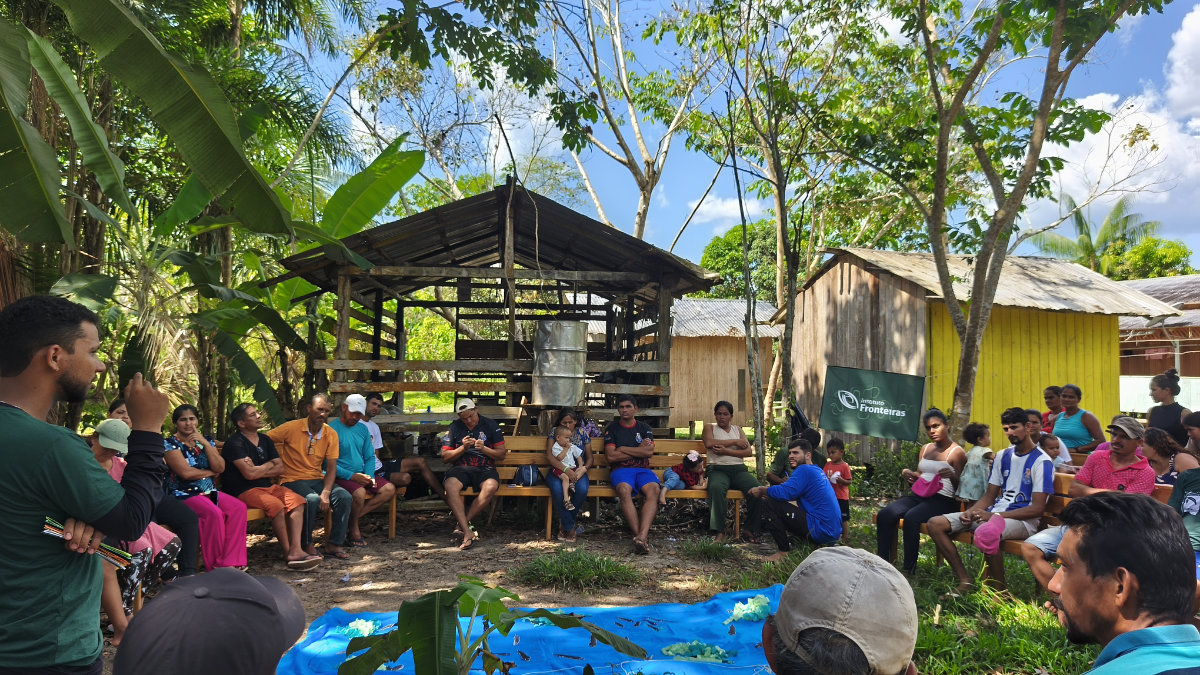
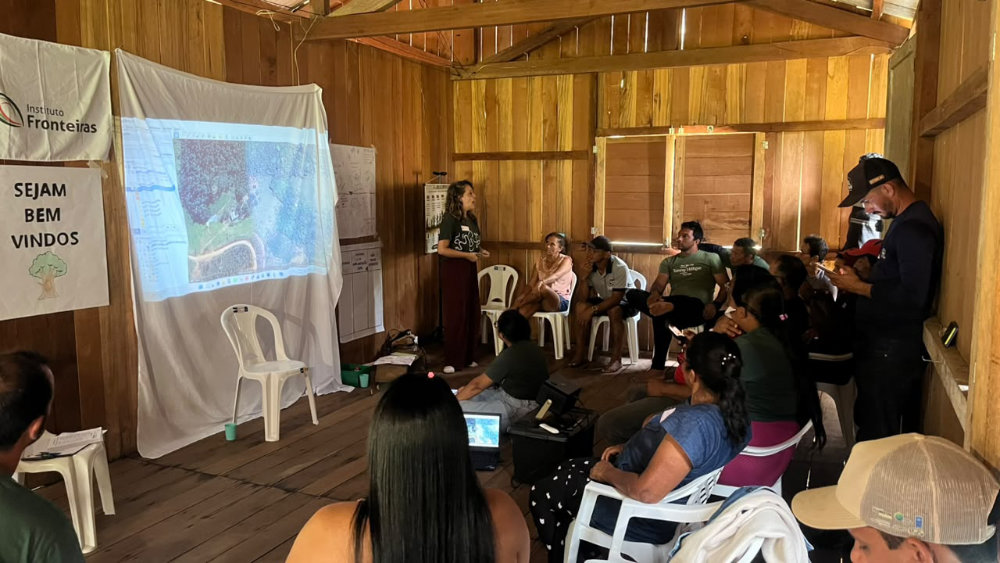
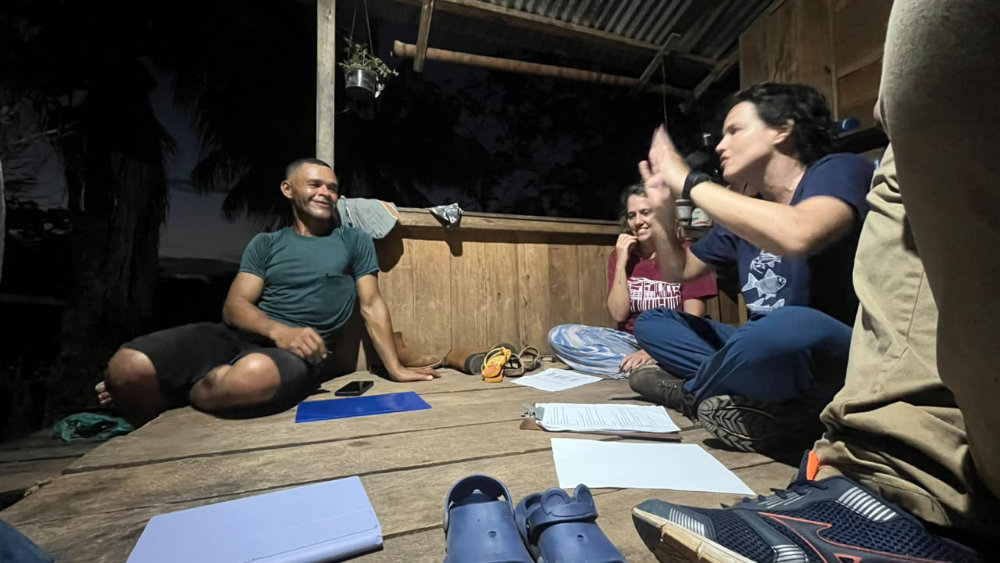
The solution lies in strengthening local communities through technical training, empowerment, and active participation in the management of fishery resources. This is what the Instituto Fronteiras believes in: transforming the management of the *pirarucu* (arapaima) into a tool for community organization—one capable of fostering autonomy, food security, and fair income through a bottom-up management model, built collectively and rooted in the reality of the Amazon.
FOOD SYSTEMS TRANSITION
The Juruá Valley represents one of the last frontiers for agricultural expansion in the Brazilian Amazon. The five municipalities that make up this region rely on a family-based economy centered on cassava production. In 2024, cassava cultivation covered 13,465 hectares, yielding 309,733 tons—the vast majority of which was produced within the region’s 38 rural settlements, home to a total of 5,635 settled families. These settlements serve as a gateway for increasing deforestation in the Juruá region.
The lack of technical assistance and access to public policies designed to support family farming drives these small-scale farmers to employ the “slash-and-burn” (coivara) method for cultivating cassava.
Cassava monoculture, combined with the raising of small livestock and cattle, is insufficient to sustain household food security. This forces families to sell their land at low prices to farmers arriving from other regions—a process known as the “Rondonization” of the Amazon.
The intensification of climate change, coupled with extreme drought and flood events, further exacerbates this state of insecurity for small-scale family farmers.
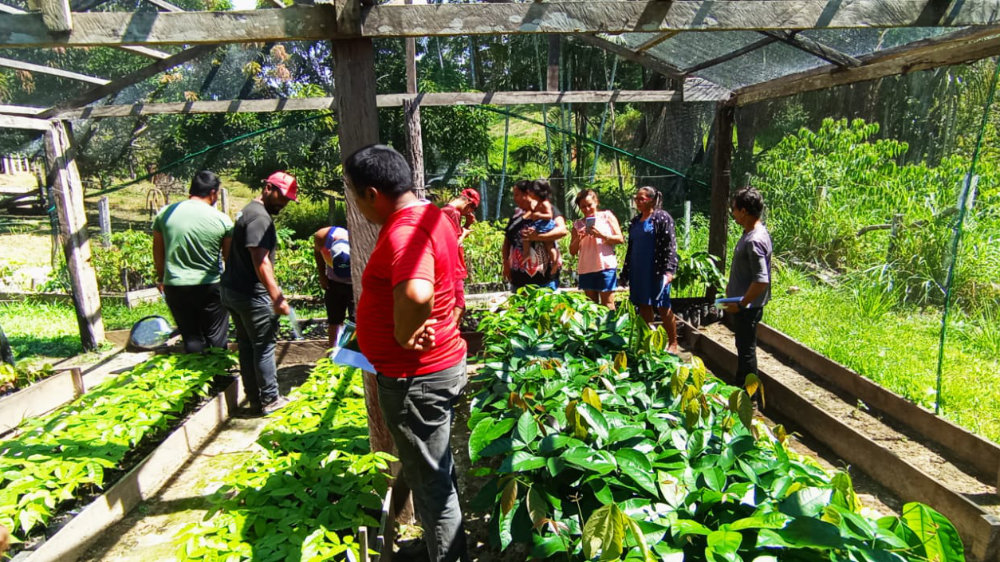
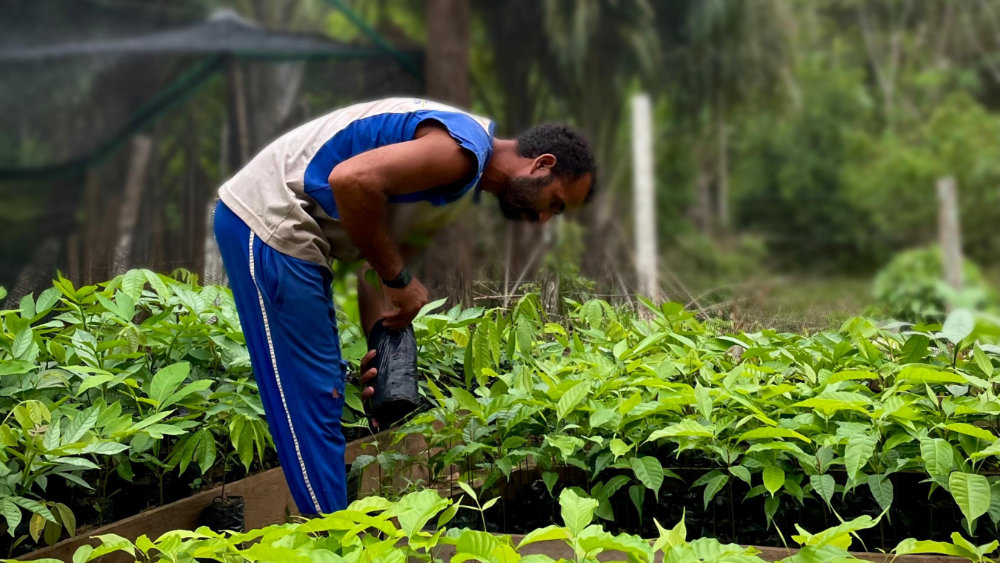
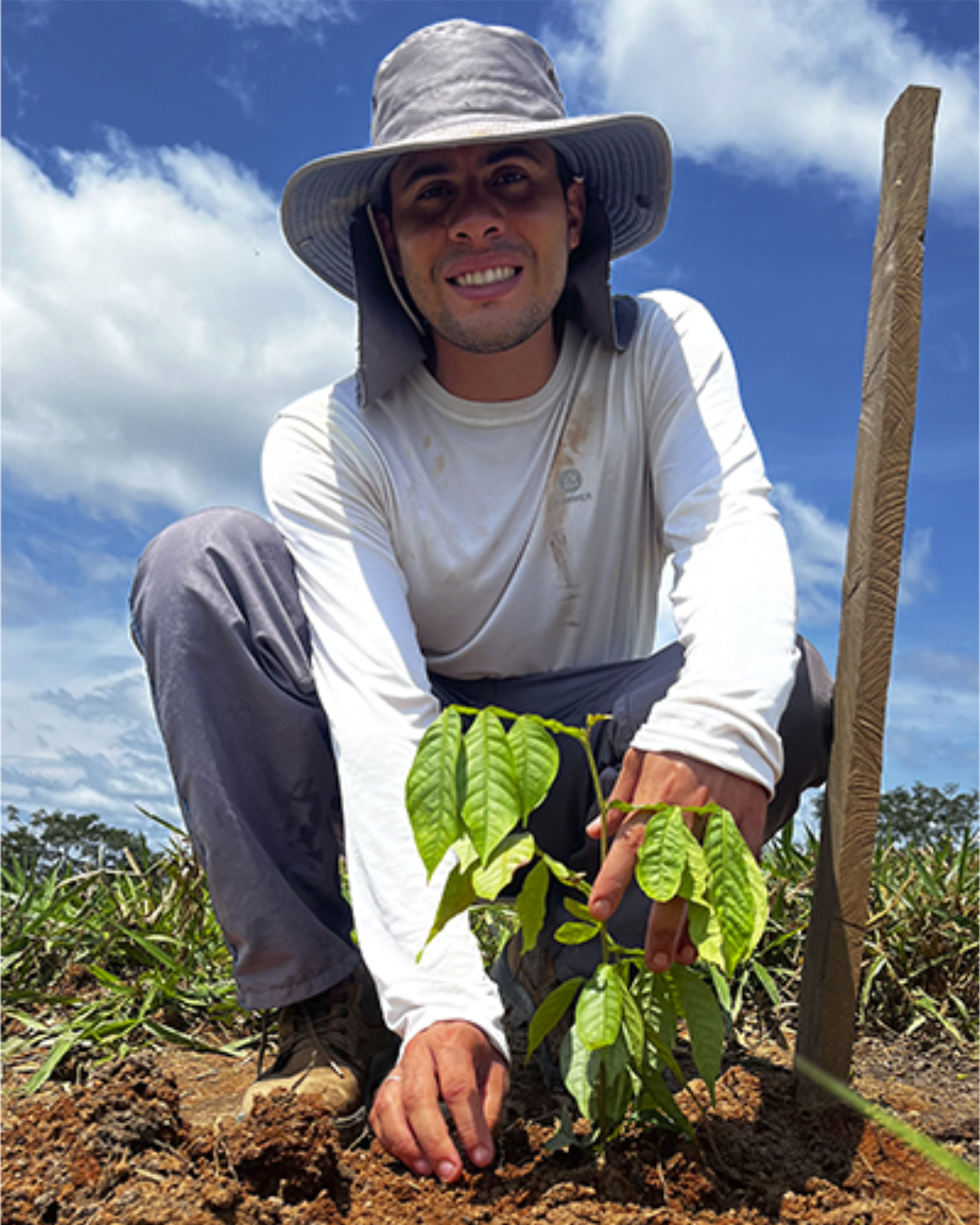
We are working to reverse this situation by testing and implementing Agroforestry Systems (AFS). These solutions aim to strengthen production chains against the threats posed by climate change, restore forests, and ensure food security for these settled families.
REDD+ AND REFORESTATION
Brazil’s major contribution to climate change stems from land-use conversion driven by deforestation, burning, and forest degradation—practices that account for 75% of its greenhouse gas (GHG) emissions.
Measures that curtail these activities—such as command-and-control enforcement and the preservation of standing forests—can, in themselves, contribute significantly to mitigating climate change.
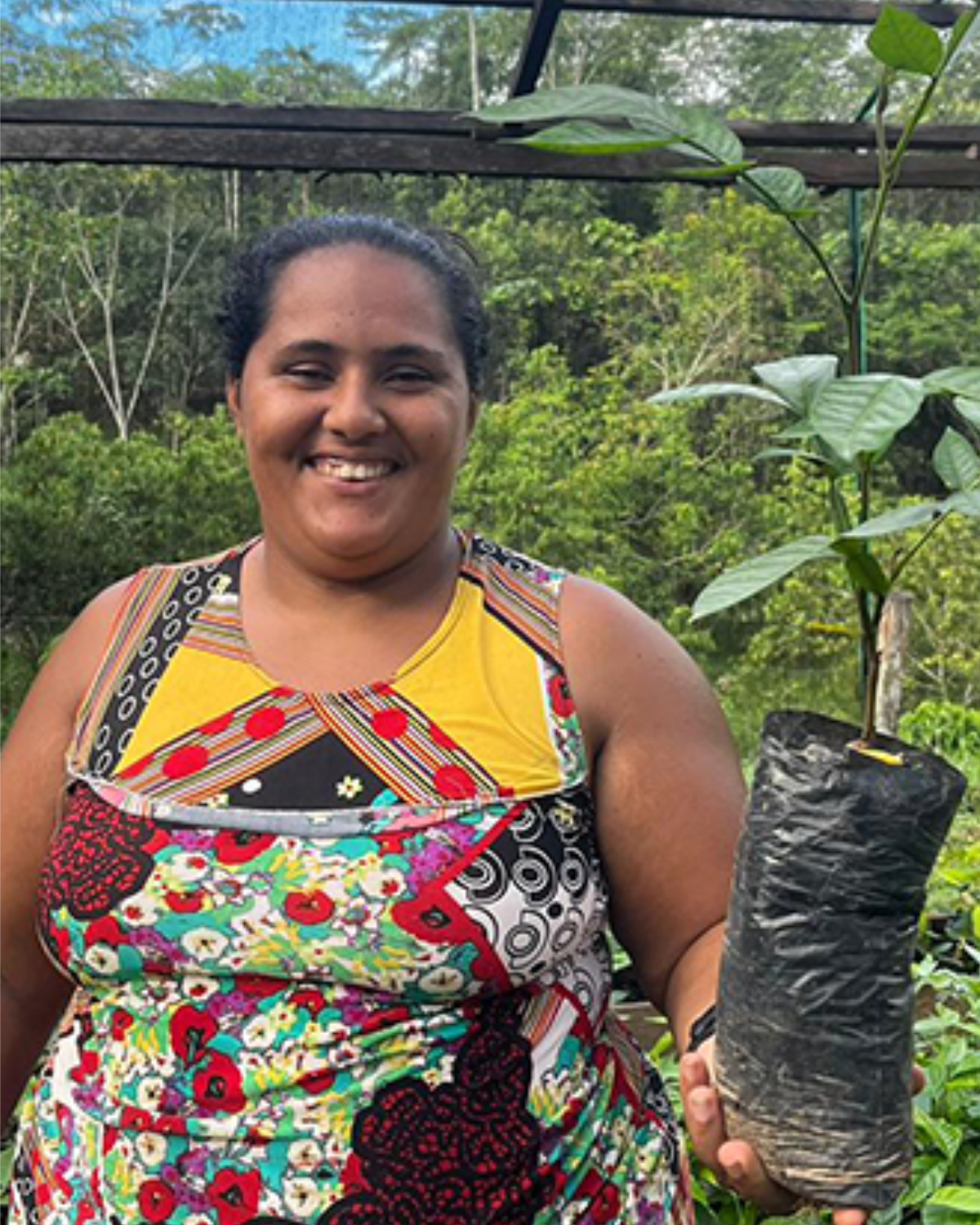
Forest recovery and restoration initiatives aim to increase the sequestration of greenhouse gases (GHGs) through various techniques that expand tree cover—such as planting seedlings, direct seeding (using a diverse mix of native seeds, known as *muvuca*), or facilitating natural regeneration.
Since 2023, the Instituto Fronteiras has invested in efforts to ensure the maintenance or regeneration of forest cover. We support community-based REDD+ projects and reforestation initiatives for Indigenous peoples and traditional communities in the Juruá Valley region.