It is a network of institutions united in solidarity for the struggle for—and access to—rights, using technology as a primary tool to secure these ends.
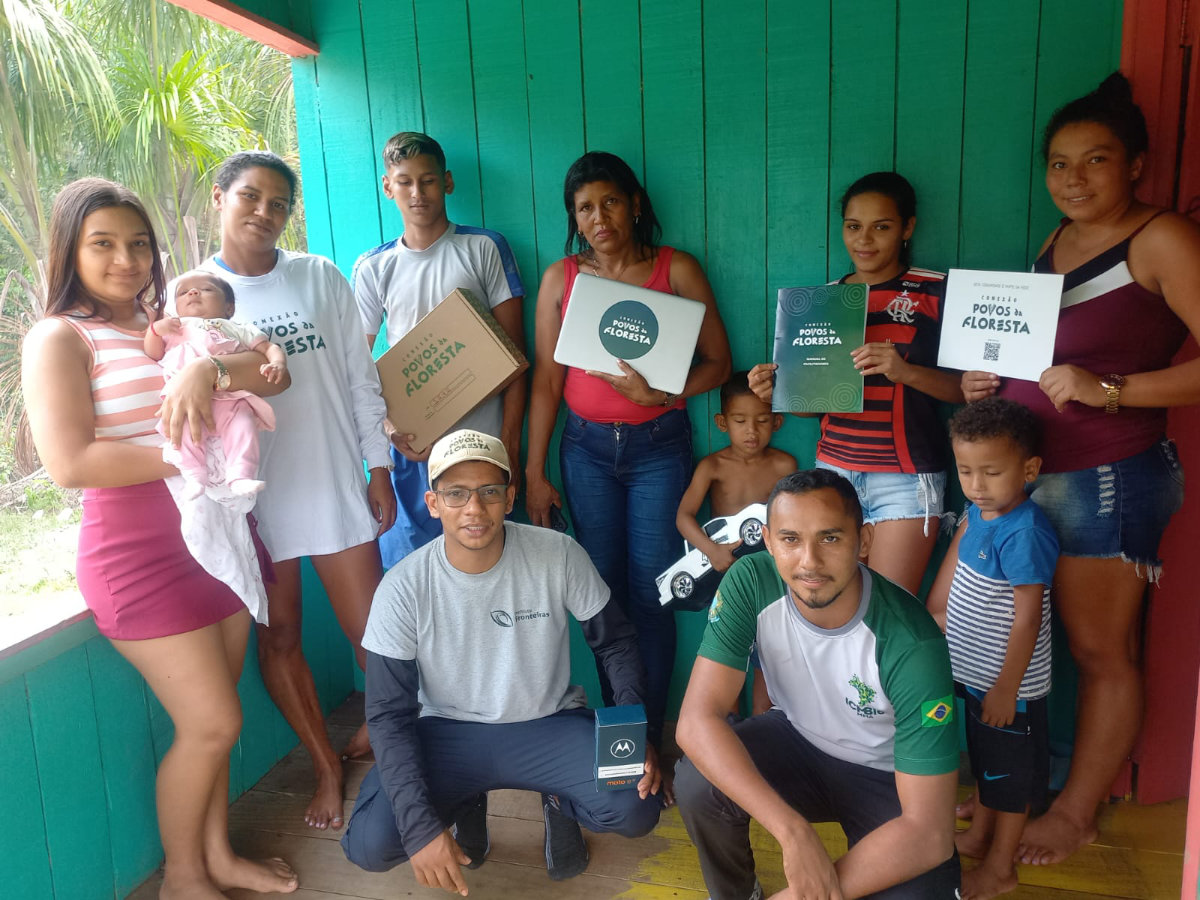
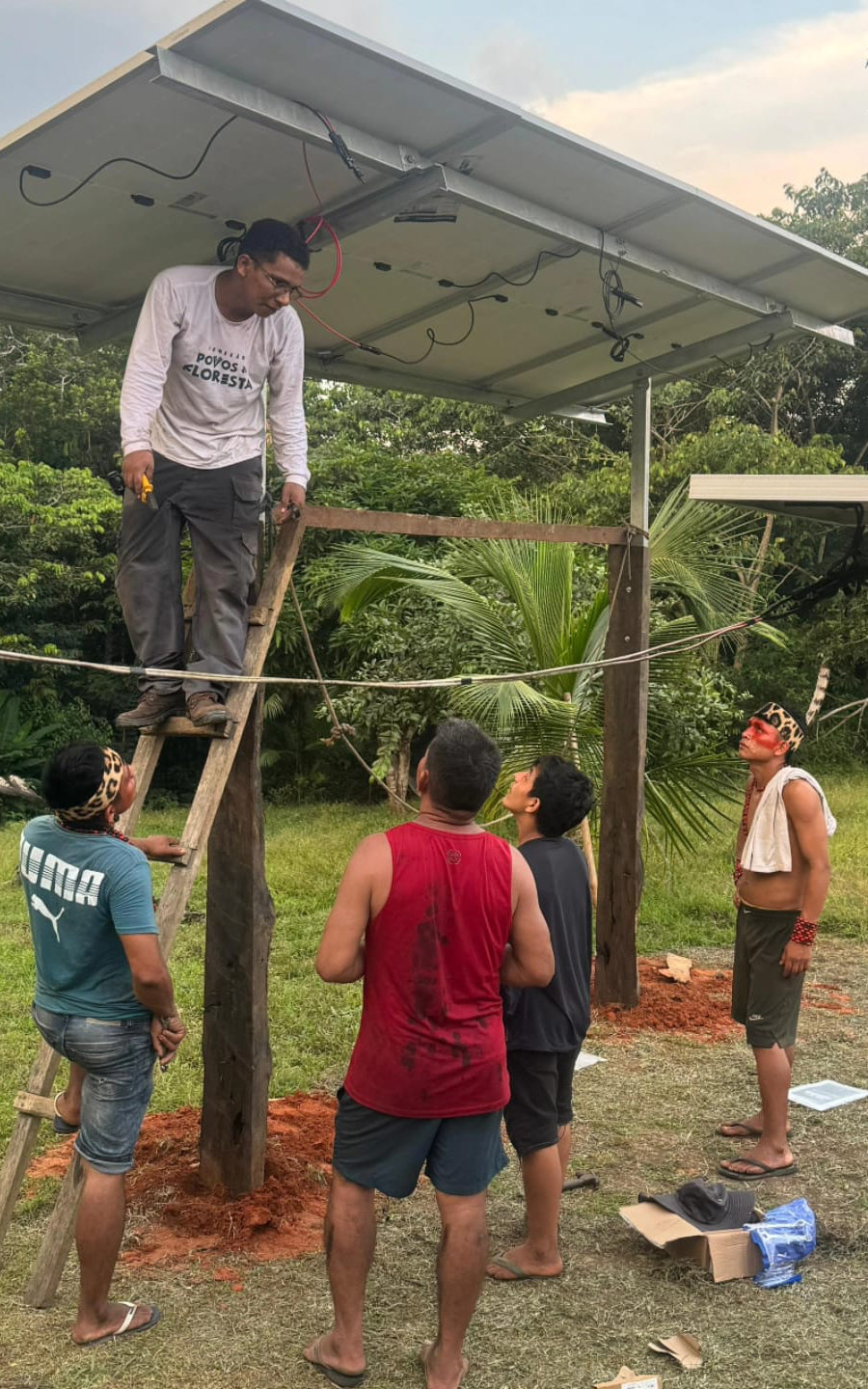
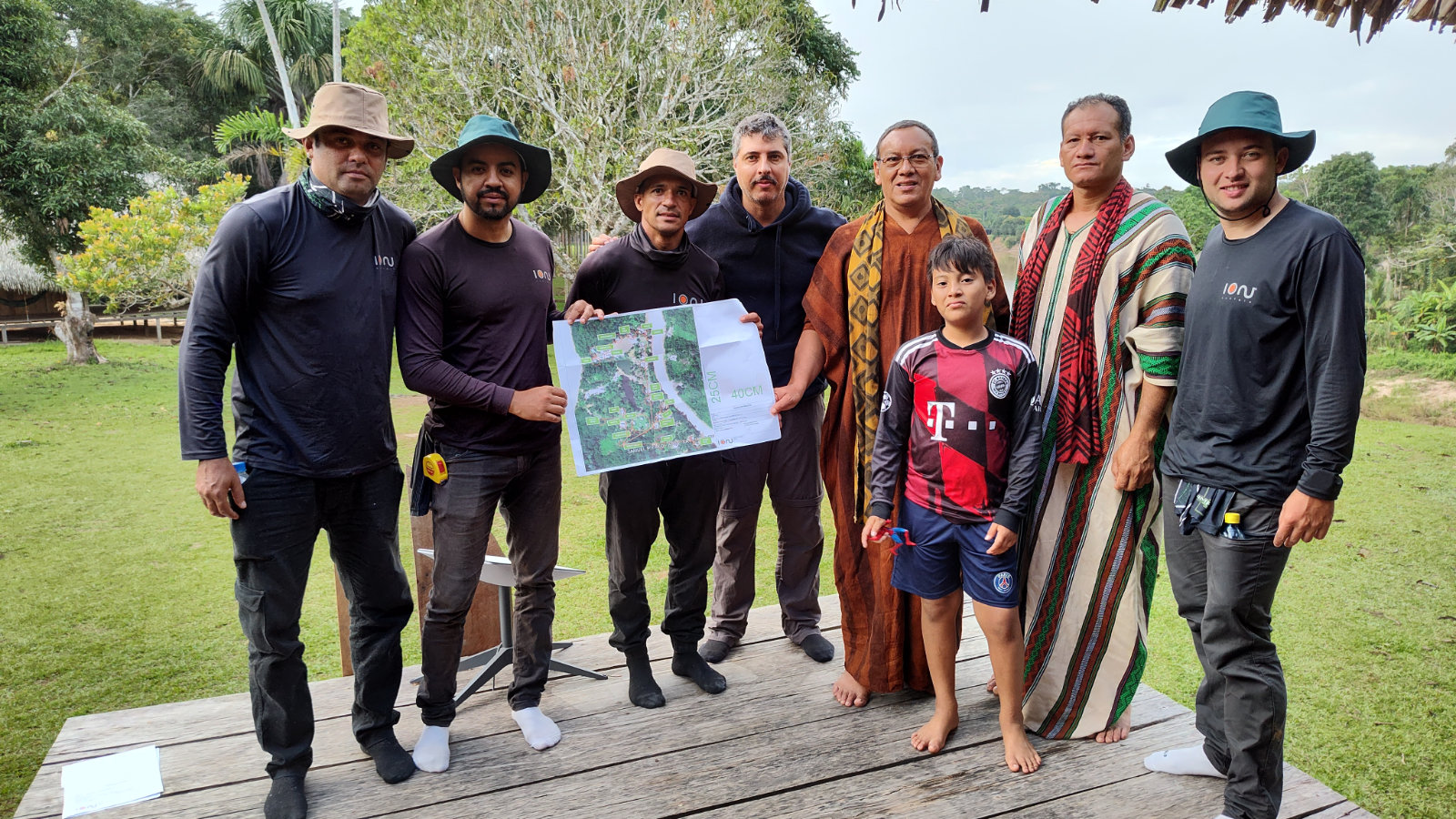
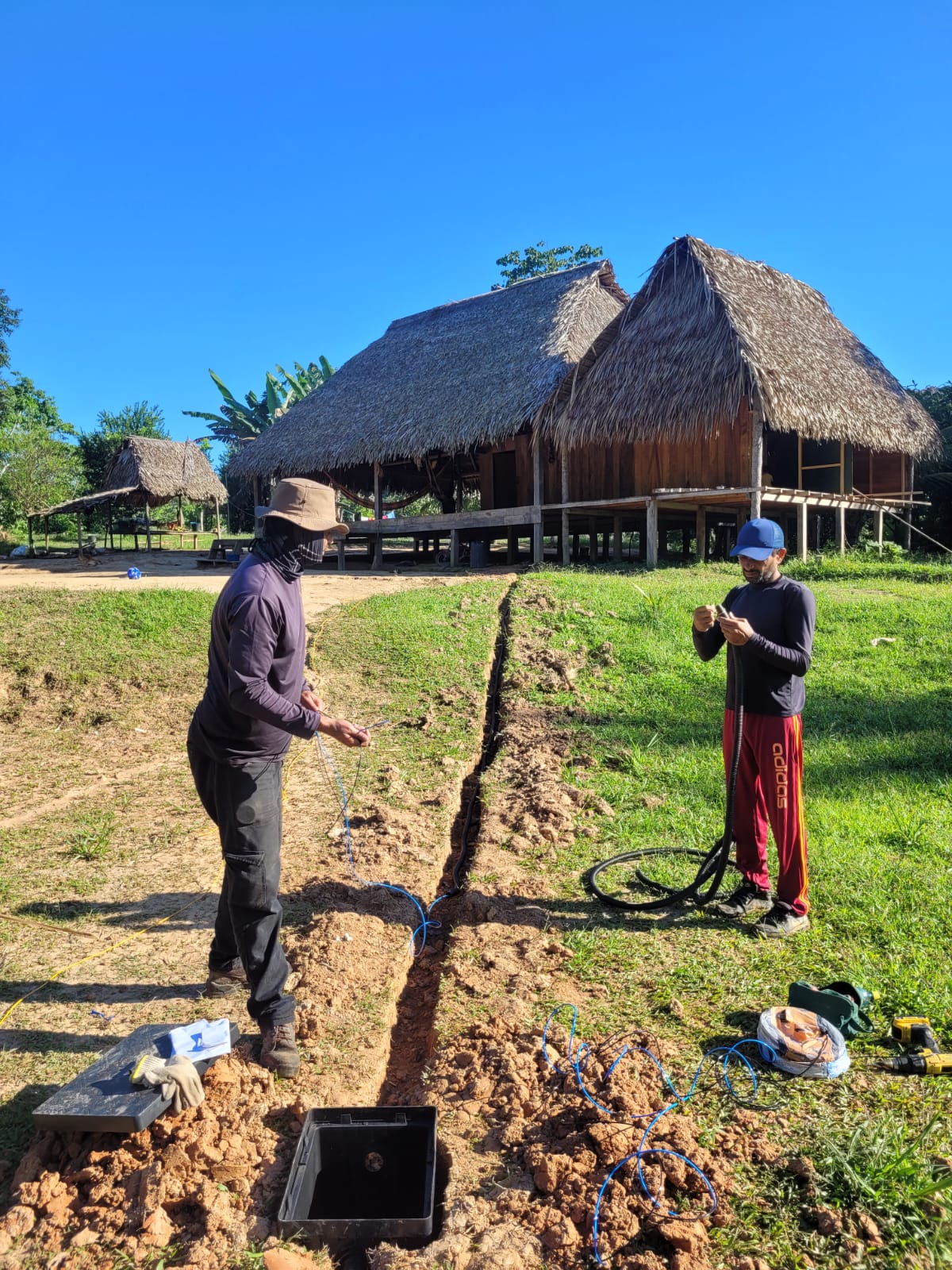
The initiative installs Starlink kits—and, when necessary, solar panel systems—alongside donations of computers and mobile devices, with the goal of fostering the participation of protected territories (Indigenous Lands and Conservation Units) in the contest for space within the online realm.
The work of Conexão encompasses both the safeguarding of rights—through the Territorial Monitoring Working Group and the Culture and Ancestry Working Group, both led by Instituto Fronteiras—and access to rights, through the Health Working Group and the Education Working Group.
Over the course of two years, Instituto Fronteiras has installed 45 connectivity kits and 10 solar panel kits in various remote communities throughout the Juruá Valley.
ENERGY TRANSITION FOR INDIGENOUS COMMUNITIES
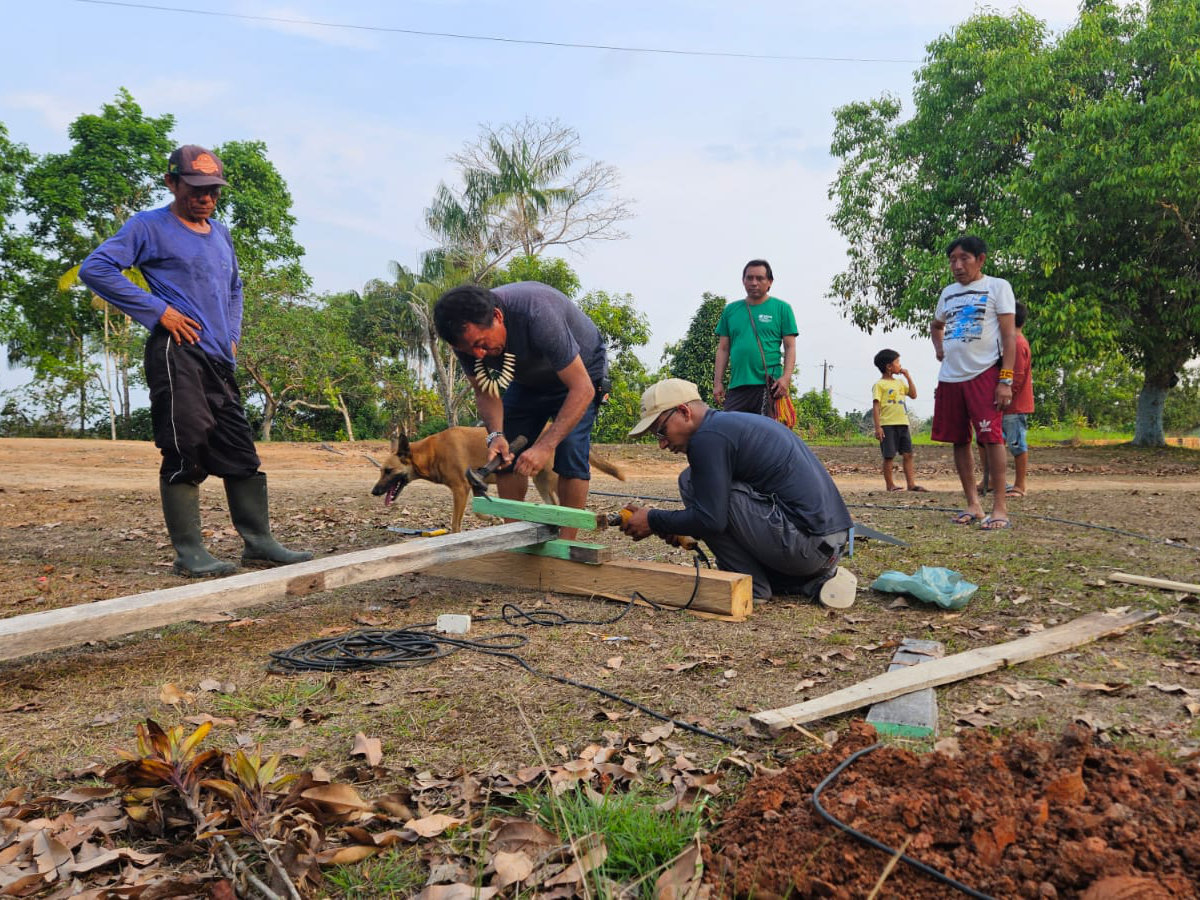
Our work on the energy transition and digital inclusion agenda develops solutions that directly impact the lives of communities by expanding access to renewable energy and connectivity, while reducing reliance on fossil fuels in areas where access to the electrical grid and the internet remains limited or non-existent.
We began our efforts in this area in 2023, through work carried out with the Ashaninka people of the Amônia River—specifically within the Apiwtxa and Yorenka Tasorentsi communities. This initiative integrated energy transition with digital inclusion by utilizing off-grid solar power, which helped decrease dependence on fossil fuels and ensured the continuous operation of communication technologies.
Subsequently, this experience was scaled up and enriched with new insights through our participation in the *Rede Conexão Povos da Floresta* (Forest Peoples’ Connection Network). In this phase, we began to more systematically integrate solar energy and connectivity, directing this infrastructure toward Indigenous and traditional communities located across various territories in the Juruá Basin.
More recently, in 2026, we installed new connectivity kits paired with off-grid solar power systems, intended for communities that face challenges in accessing electricity.
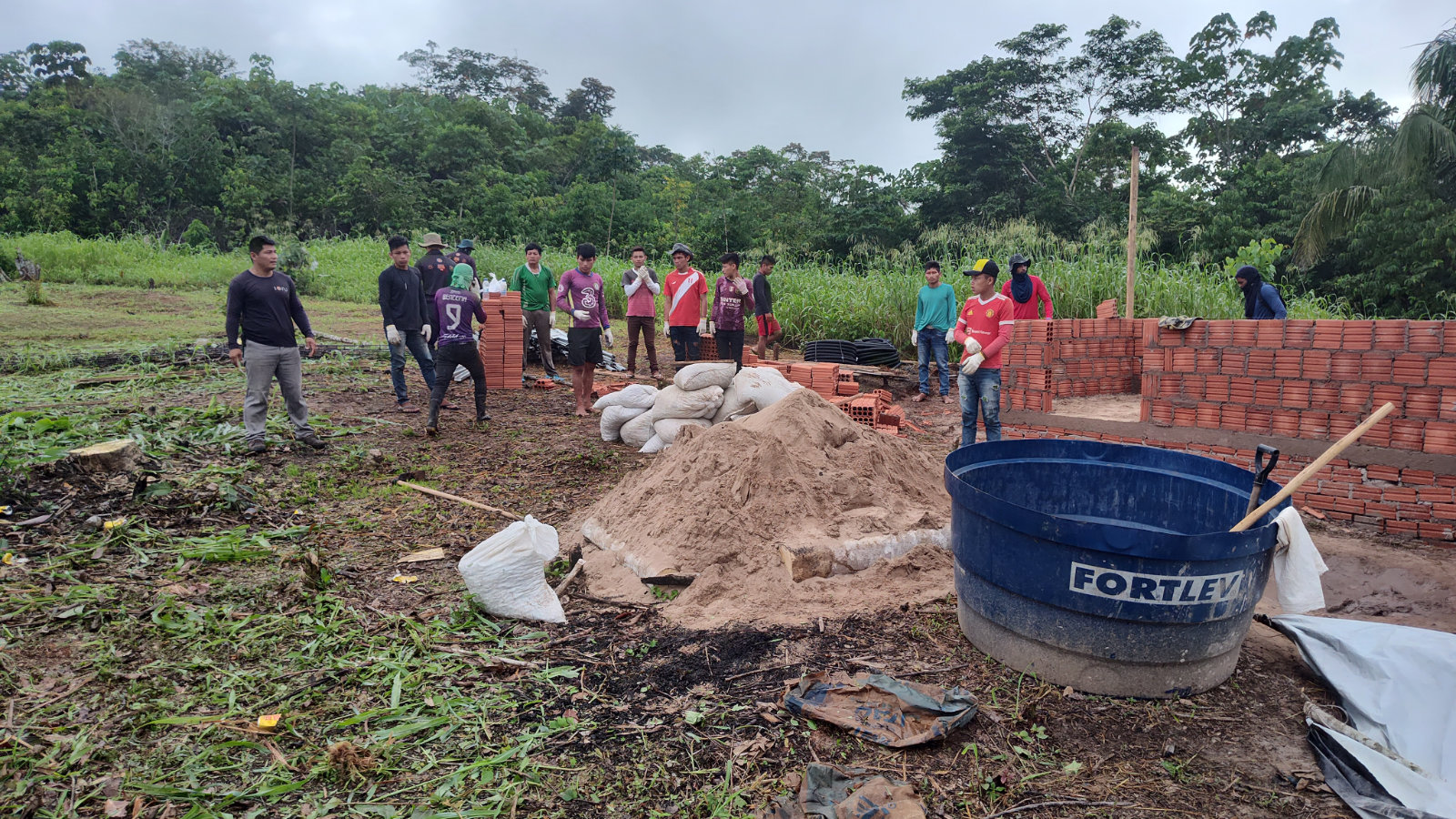
These installations are always accompanied by training activities, aimed at strengthening local capacity for the use and maintenance of the equipment. The results achieved to date include training and the installation of photovoltaic systems in the Apiwtxa and Yorenka Tasorentsi territories—home to the Ashaninka Indigenous people—as well as in the Aldeia Sagrada and Nova Esperança villages of the Yawanawa Indigenous people of the Rio Gregório, and in the traditional communities of Grajauzinho, Flora, Flora de Cima, Porongaba, and Porto Seguro, located within the Serra do Divisor National Park.
The next steps for this initiative will include 15 additional villages within the Yawanawa Indigenous Territory of the Rio Gregório over the coming months.